


In this article, we will explore some fundamental aspects for optimizing space and production, focusing on layout and the arrangement of goods.
Space Management: the “warehouse layout”
The warehouse layout is a key factor in maximizing efficiency and productivity. There are several possible approaches to layout, but all should be designed to reduce item handling times and improve accessibility. Lean methodology suggests various strategies for redesigning the layout based on the analytical analysis of item movements extracted from the management system. The ‘Spaghetti Chart’, also known as a "movement map", is a widely used visual tool within Lean methodology to analyze and optimize the flow of materials and people within a production process. This technique is inspired by the map's resemblance to a messy plate of spaghetti, where the lines represent movement paths.The main objective of this analysis is to identify unnecessary movements, crossings, and intersections that can contribute to inefficiencies, delays, and wasted time. The use of this tool is based on collecting data regarding the movements made by employees during daily activities, recording their paths and tracing the trajectories followed. Once the data has been collected, it is possible to analyze the spaghetti chart and identify non-optimized and complex movements.
These critical points represent opportunities for re-layout, which aims to eliminate superfluous movements and therefore optimize the process.
Optimizing Warehouse Management
To optimize, and therefore simplify the spaghetti chart, one must act on the arrangement of goods within the warehouse. It is indeed important to organize the layout of products in a logical and systematic way, in order to reduce search times and improve operational efficiency.To achieve this goal, an essential tool known as "Cross Analysis" is used, which allows for the combination of average stock data with sales frequency or warehouse exit data, thus making it possible to evaluate whether purchasing strategies and inventory management are aligned with product behavior.
For example, when a product has high stock levels but few movements, issues may arise in terms of occupied volume and working capital. Products with low or zero stock but high movement, on the other hand, represent a different challenge. In this case, there is a high risk of running out of stock, compromising product availability when requested by customers.
Through the use of this tool, it is possible to identify such situations and adopt the correct corrective measures. Constant and careful analysis allows for improved purchasing planning, maximizing the use of available space, reducing costs associated with tied-up capital, and ensuring a goods flow that is always fluid and adequate for customer needs.
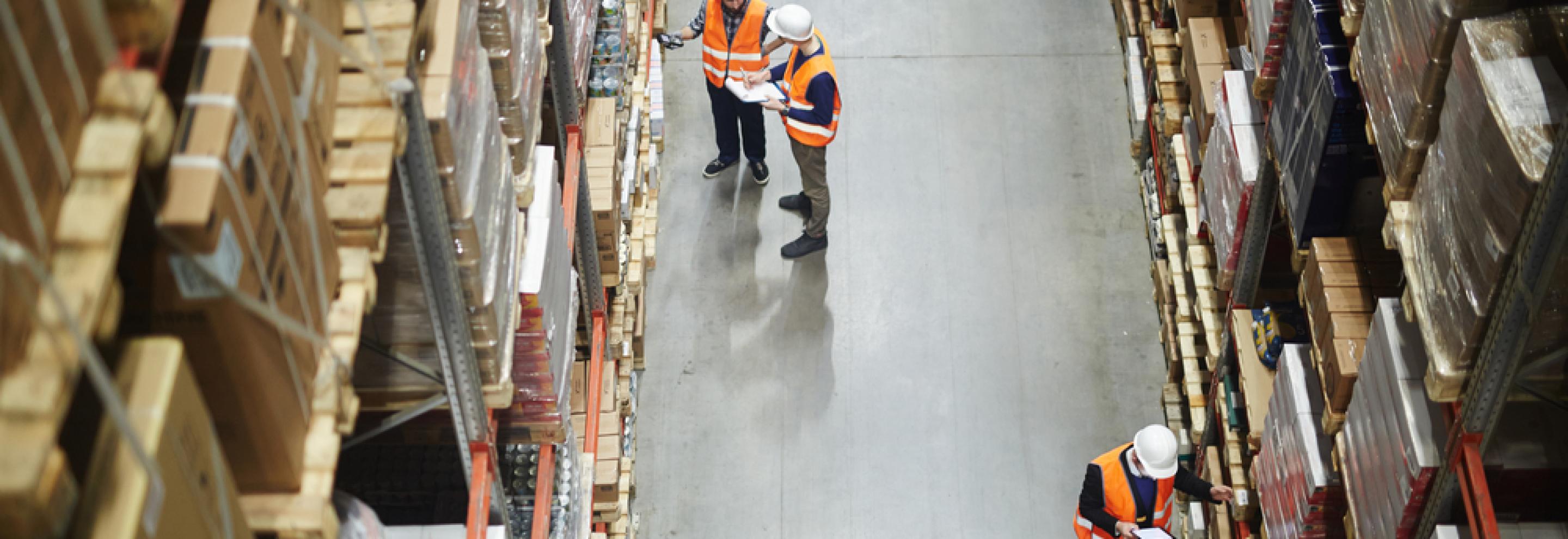
Pareto Analysis for the Correct Placement of Goods in the Warehouse
After performing the Cross Analysis, a Pareto analysis is then carried out on picking movements. Based on this result, class A materials, which have the most frequent movement, will be placed in the most accessible storage area. Class B materials will be placed in a slightly more distant area, while class C products, characterized by low movement, will be placed in the most remote area. This allows for the optimization of the spaghetti chart, and the actual improvement achieved after these optimizations will then be shown. Furthermore, constant analysis over the years contributes significantly to the reduction of tied-up capital in the warehouse.There are some common strategies adopted to ensure effective logistical arrangement, which include, for example, the use of coding systems, stock rotation, and categorization.
The use of barcodes or RFID allows, for example, the introduction of a coding system aimed at better identification and traceability of the goods present in the company. Additionally, stock rotation, such as the FIFO (First-In-First-Out) method or the LIFO (Last In-First-Out) method, helps avoid product expiration and reduce waste. The use of advanced technologies such as warehouse management systems (WMS) and assisted picking devices is a further tool to increase the efficiency and accuracy of item handling operations, becoming an important aid for the figures managing these processes.
In conclusion, warehouse management is a complex process that requires careful planning and targeted design. By choosing the layout most suited to the company's needs and a correct arrangement of stock, it is possible to reduce handling times, improve accessibility, and maximize the use of available space. The implementation of advanced technologies can further automate and optimize storage management operations. Investing in these activities and in cutting-edge information systems is a fundamental step toward improving overall operational efficiency and achieving greater competitiveness in the market. Rely on industry professionals, qualified engineers capable of providing you with practical solutions and useful advice to substantially improve your company's performance. Contact the experts at Glacom, without obligation!