
What are 3D configurators for furniture
A 3D configurator for furniture is a digital tool that allows the user to visualize, personalize, and modify a piece of furniture directly online. Through an interactive interface, the customer can choose colors, materials, finishes, dimensions, accessories, and furniture variants, observing the final result in real time. In the furniture sector, this technology is particularly useful for sofas, kitchens, wardrobes, tables, chairs, beds, home accessories, and custom solutions, because it allows the digital catalog to be transformed into a clearer, more engaging purchasing experience that is closer to a physical showroom.The challenges of furniture companies (and how to overcome them)
Advantages of adopting 3D configurators for furniture companies
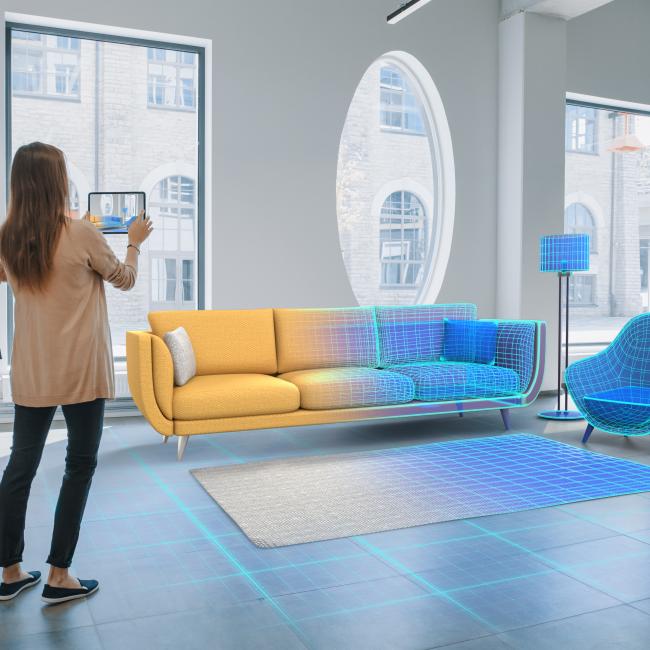
Imagine you are looking for the perfect sofa for your living room. You enter a furniture website and, instead of scrolling through endless images without ever being completely sure, you can see the sofa of your dreams as if it were already in your room. With a 3D configurator, you have the possibility to change the color, shape, and fabric, and immediately understand if that piece of furniture truly fits your lifestyle. It is no longer just imagination, but a real preview, without unpleasant surprises once the product arrives at home. This type of experience builds trust, makes you feel in control of your purchase, and reduces the anxiety of making the wrong choice.
For companies, all this means offering much more than a simple product: it is offering a true personalized experience. Every customer is different, and with 3D configurators, every person can find exactly what they are looking for, without compromises. And it is not only an advantage for the buyer. Companies can save time and resources, avoiding the production of physical prototypes and better understanding what customers want thanks to the data collected during interactions with the configurator. In practice, it is not just about selling a piece of furniture, but about building a relationship based on trust and personalization, two aspects that are fundamental today to stand out in the market.
The role of augmented reality in the purchasing experience
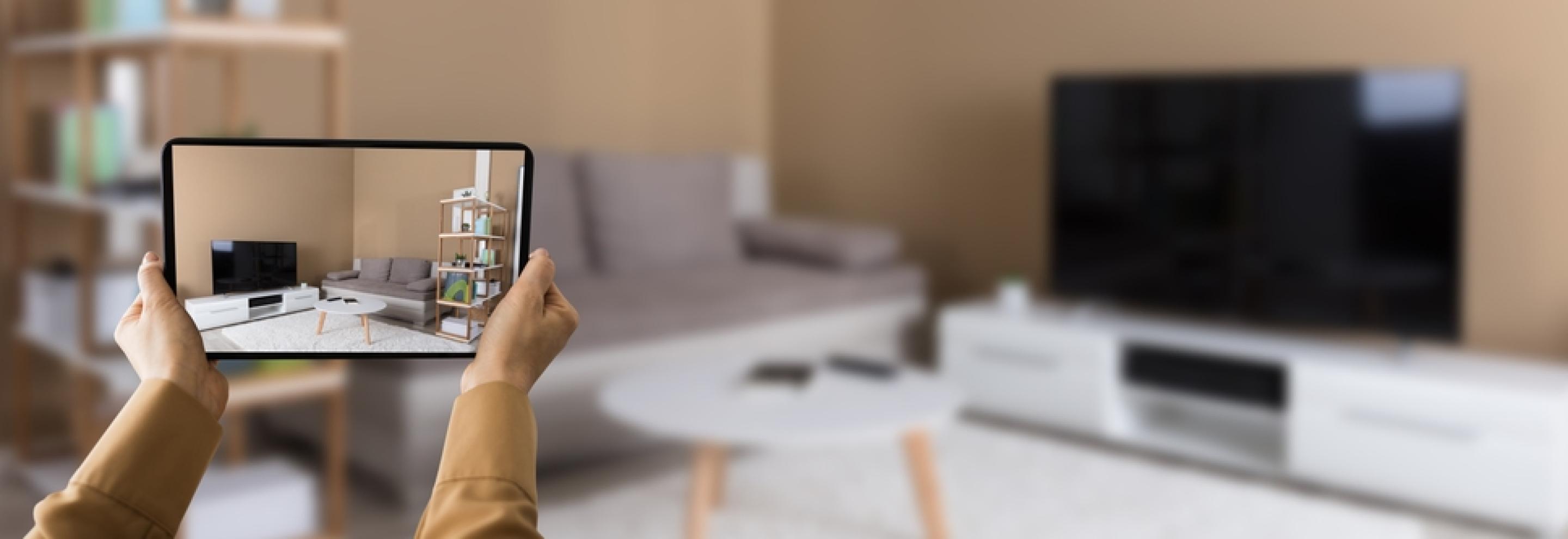
Have you ever tried to buy a piece of furniture, only to discover that it doesn't look as good in your living room as you had imagined? It is one of the worst feelings. Augmented reality solves exactly this problem. Imagine taking your phone, framing your living room, and seeing, in real time, exactly how that piece of furniture will look there, in your home, with the right proportions, colors, and lighting. It is like having the power to see into the future and remove every doubt before even taking a single step into a store. Isn't that fantastic?
For companies, augmented reality represents much more than a simple technological novelty: it is a way to create a stronger and more personal bond with their customers. It is like telling them: "Don't worry, we'll help you make the right choice, without risks." This technology makes shopping a fun and interactive experience, eliminating those annoying uncertainties that often hold people back from purchasing. And it doesn't stop at online: imagine entering a store and being able to see how each piece of furniture would fit into your home with a simple gesture. In this way, AR transforms the purchasing process into something magical and engaging, where the customer no longer feels like just a consumer, but becomes the active protagonist of their own furnishing experience.
Technological evolution has also revolutionized the furniture sector. Among the most interesting innovations, 3D configurators and augmented reality (AR) stand out.
.jpg)
The distinctive features of our 3D configurator for furniture
Glacom's solution for furniture is designed to offer maximum visual quality, total flexibility, and perfect operational integration:- Ultra-high resolution 3D models with 4K textures: every product is modeled with tailored care to faithfully capture details, materials, and finishes.
-
Real-time rendering: changes set by the user (colors, dimensions, components) are displayed instantaneously, ensuring a fluid and engaging experience.
-
Native augmented reality: without the need for additional apps or plugins, it is possible to virtually place furniture within the real environment directly from desktop or mobile.
- Intuitive and engaging interface, with informative hotspots and animations to delve deeper into product features and functionality.
- Omnichannel and cross-device integration: compatible with websites, e-commerce, CRM, ERP, and physical platforms such as showrooms or trade fairs.
- Dynamic pricing and automatic quotes: the system calculates the cost in real time based on the selected customizations, facilitating the purchasing journey and order management.
These elements make our configurator not just an advanced visualization tool, but a true configuration platform, perfectly integrated with the customer's sales and marketing processes.
Is it therefore advantageous to invest in a 3D and AR configurator?

FAQ: all the questions about our 3D configurators for furniture
The cost depends on the number of products to be configured, the complexity of the variants, the level of realism of the 3D models, the integration with e-commerce or management software, and the presence of features such as augmented reality, automatic quotes, or dynamic pricing.
Can a 3D configurator be integrated into an e-commerce site?
Yes. A 3D configurator can be integrated into an e-commerce site to allow the user to personalize the product, view the updated price, and send the configuration to the cart, the CRM, or the company's management system.
Which furniture products are best suited for 3D configuration?
The most suitable products are those with many variants: sofas, kitchens, wardrobes, beds, tables, chairs, wall units, walk-in closets, modular furniture, and custom solutions.
What is the difference between a 3D configurator and augmented reality?
A 3D configurator allows you to personalize and visualize a digital product in real time. Augmented reality, on the other hand, allows you to virtually place that product in the customer's real environment using a smartphone, tablet, or other compatible devices.
Why should a furniture company invest in a 3D configurator?
Because it improves the purchasing experience, makes product variants easier to understand, reduces customer uncertainty, supports the sales force, and can contribute to increasing conversions and the quality of commercial requests.
Do I need to download an app to use augmented reality?
Absolutely not. After configuring the product, it is possible to see it in augmented reality directly from your smartphone or tablet, without having to download any application.