

What is Direct Email Marketing
Direct Email Marketing is a form of digital marketing that consists of sending personalized email messages to a specific list of recipients. These communications can include promotional information, special offers, company updates, or any other content relevant to the target audience. The key to the success of Direct Email Marketing lies in its ability to directly and in real-time reach users who have expressed interest, are already customers of the company, or could become one.How Direct Email Marketing Works
The Direct Email Marketing process can be divided into several key phases:1. Contact Acquisition. To begin, it is necessary to have a list of email addresses of potential customers. These contacts can be collected through voluntary registrations on the website, previous purchases, contests, or other acquisition strategies.
2. Audience Segmentation. Once contacts are collected, it is fundamental to divide them into segments based on criteria such as interests, demographics, purchasing behavior, and more. This categorization allows for the sending of highly targeted and personalized messages.
3. Content Creation. The next step is to create valuable content that is relevant to each audience segment. These messages can concern special offers and promotions, company news, tips, and more.
4. Email Design. The technical construction of the email is a crucial aspect. It must be well-structured, technically correct, and easily readable on different devices.
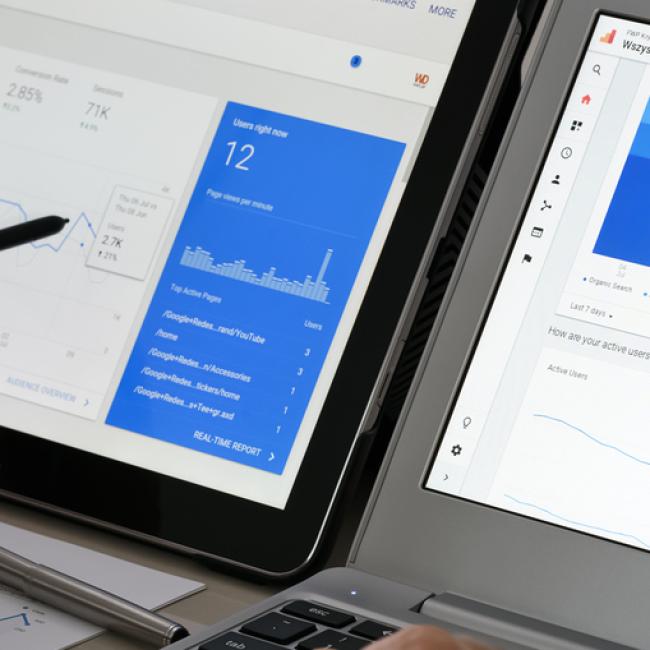
5. Sending and Tracking. Once the email is ready, it is sent to the recipient list. During and after sending, it is possible to monitor key metrics such as open rate, click-through rate, and conversion to evaluate the effectiveness of the campaign.
The Advantages of Direct Email Marketing
The DEM strategy offers a series of significant advantages for companies that decide to adopt it as part of their digital marketing plan.- Reaching a Targeted Audience
- Message Personalization
- Low Costs
- Ease of Tracking and Analysis
- Increase in Conversions
- Building Customer Relationships
.jpg)
Effective Direct Email Marketing Strategies
To obtain the maximum benefits from this tool, it is important to adopt effective strategies. Let's look at those that, based on our direct experience, perform best.A. Accurate Segmentation
Accurate audience segmentation is fundamental. The more precise it is, the more relevant the messages will be for the recipients.
→ Use demographic, behavioral, and purchasing data to divide the list into specific segments.
B. A/B Testing
A/B tests allow you to experiment with different variants of a message to determine which one works best.
→ Test subject lines, layouts, content, and calls to action to optimize email performance.
C. Providing Added Value
Emails should offer added value to recipients. This can be done by sending educational content, tips, exclusive discounts, or previews of future products.
→ Show the value of the messages to achieve loyalty and conversion.
D. Automation
Automation tools allow you to send emails based on specific triggers, such as a customer's birthday or cart abandonment. This helps maintain customer engagement effectively.
→ Evaluate all Customer Activation options.
E. Continuous Monitoring and Optimization
A newsletter campaign should never be static. It is important to constantly monitor performance metrics and make improvements based on the collected data.
→ The process of continuous optimization helps keep campaigns relevant and successful over time.
Email Marketing for eCommerce
Strategic newsletters are particularly useful for e-commerce, aiming to engage the user, increase sales, and build loyalty over time. Here is why an online store should absolutely include this type of strategy:1. Launch new products and offers, communicating directly with Customers in real-time. If a discount, a seasonal sale, or a promotion created specifically for newsletter users is added, engagement is guaranteed;
2. Customer Activation, namely the recovery of abandoned carts. Sending automatic emails to customers who left products in the cart without finalizing the purchase, perhaps with an incentive, a discount, or a reminder, could lead to a complete conversion;
3. Loyalty, through loyalty programs, exclusive content, previews, special sales... these are all activities that allow us to put the Customer at the center of attention and build loyalty over time.
4. Cross-selling and up-selling, essential in an eCommerce. Why not suggest complementary products or superior versions of products purchased and/or viewed? This increases order value and allows us to not limit the purchase to a single operation.
5. Automation and monitoring, thanks to latest-generation software it is possible to schedule email marketing campaigns well in advance, automating some emails (such as the sign-up discount, birthday wishes, and so on) and then tracking user behavior to improve all subsequent marketing strategies.
Email Marketing for Tourism Businesses
Here is another sector that can derive enormous benefits from email marketing: tourism. To build loyalty among already acquired Customers, to stimulate curiosity and the desire to book, as well as to engage future guests, newsletters represent an exceptional tool. Let's see together what we can communicate to readers in a simple, fast, and direct way:1. offers and promotions, whether seasonal, last minute, packages, last availability, early booking, and the more you have, the more you should propose;
2. personalized experiences, by dividing contacts into specific segments we can send relevant and interesting content based precisely on customer preferences (families, couples, business travel);
3. inspirations and information, with destinations, tips on what to do and see, events, activities, local attractions, and a thousand other ideas to improve the guest experience;
4. Customer loyalty and follow-up after the stay, thanking them for the visit, asking for always useful feedback, and encouraging positive reviews;
5. recovery of bookings awaiting confirmation and/or increasing direct bookings, thereby reducing various commissions to portals or third-party agencies.

Best Practices for Email Design and Writing
A successful Direct Email Marketing (DEM) campaign starts with an eye-catching design and effective copy. The visual structure of the email plays a fundamental role in capturing the reader's attention and guiding them toward the Call to Action (CTA).1. Start with a short and punchy subject line, designed to arouse curiosity or anticipate a benefit, preferably not exceeding 50 characters. Email subject lines with numbers or strategically placed emojis often achieve higher open rates, as they attract the eye in a crowded inbox. After the subject line, the message preview must be consistent and functional, offering a further anticipation of the content.
2. In the body of the email, aim for a clean and intuitive layout: use a clear title, short paragraphs, and wide spacing to improve readability. Visual hierarchy is essential to guide the reader toward key content. High-quality images and eye-catching colors, yet consistent with the brand identity, make the email more engaging; however, it is essential to optimize images for mobile viewing.
3. Ensure that CTAs are evident: use highly visible buttons, with colors that contrast with the background, and position them strategically – ideally at the top for main messages and at the end to complete the call to action. The CTA text should be short and direct, such as “Find out more” or “Start now”.
4. Finally, the copy language must be clear, concise, and reader-oriented, avoiding too many technicalities or long descriptions. Every sentence should maintain focus on the benefits for the recipient, answering the implicit question “What's in it for me?”. A conversational and direct approach makes the message more human and increases the probability of conversion.